
The Most Popular Planing Machines Shop Gurus Are Doing 3 Things
페이지 정보

본문
Everything You Need to Know About Planning Machines Shops
In the world of manufacturing and industrial production, precision and efficiency stand as the foundations of successful operations. Amongst the myriad of tools available to producers and makers, preparing machines hold a special prominence. A planning machine shop supplies necessary services tailored toward creating exact, flat surface areas on numerous materials. This article checks out the operations, benefits, and applications of preparing machines, providing insights for those considering establishing or utilizing a planning factory.
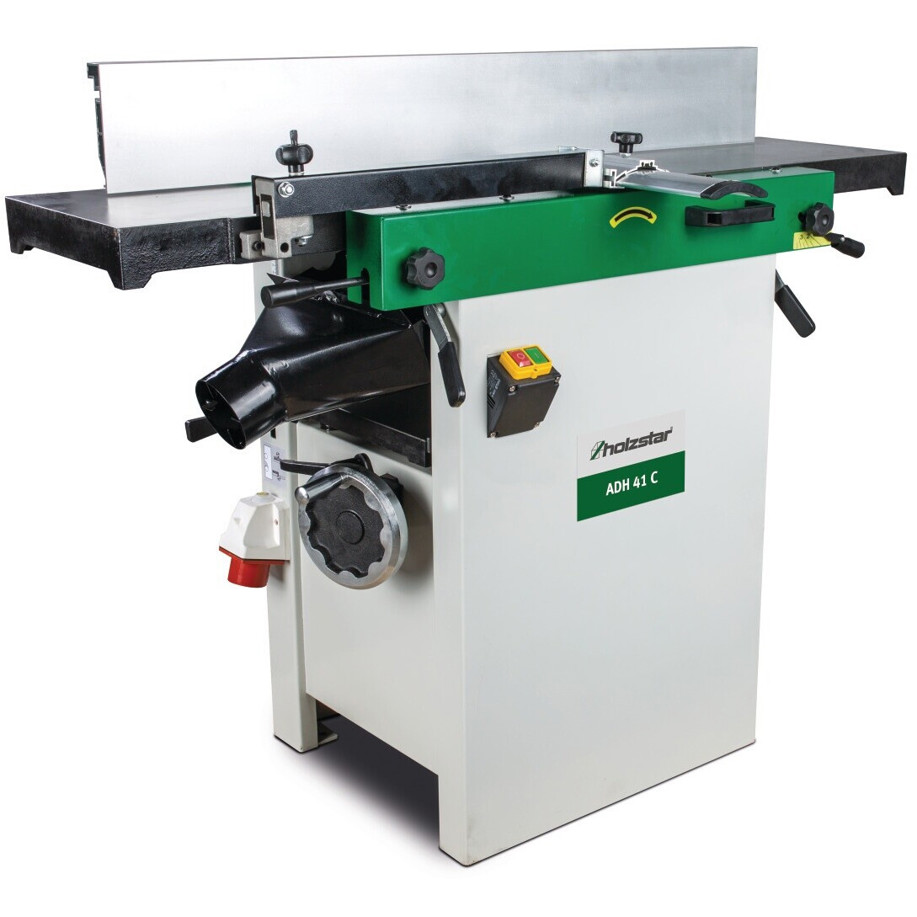
What is a Planning Machine?
A planning maker is a type of device tool utilized mostly for producing flat surfaces on workpieces. They operate likewise to milling machines, though they are typically utilized for bigger components and use higher versatility in the cutting procedure. The planning process includes a direct, reciprocating motion that moves the cutting tool over a stationary workpiece. This extremely accurate machining approach is ideal for different markets, consisting of aerospace, vehicle, and heavy machinery.
Key Features of Planning Machines
| Function | Description |
|---|---|
| Cutting tools | Can utilize different types of tools (e.g., single point, rotary) based upon the task. |
| Worktable | Fixed and can be adjusted for height to accommodate large workpieces. |
| Feed system | Provides precise control over the cutting speed and depth. |
| Base and frame | Usually robust to support heavy machinery and big elements. |
How Planning Machines Work
Preparation machines operate utilizing a straightforward yet effective mechanism. Here's how they typically work:
- Setup: The workpiece is safely clamped onto a fixed table.
- Tool Selection: Depending on product and wanted finish, a proper tool is chosen and mounted on the maker.
- Operation: The maker operates by moving the tool back and forth over the workpiece. The tool's vertical positioning (depth of cut) can be adjusted for precision.
- Finishing: After the initial cuts are made, finer ending up passes might be undertaken to accomplish the wanted smoothness and dimensional specs.
Benefits of Using Planning Machines
Utilizing planning machines in a machining shop offers numerous benefits, which are summarized below:
| Advantage | Description |
|---|---|
| High Precision | Capable of achieving tight tolerances for flat surfaces. |
| Flexibility | Suitable for machining a range of materials, consisting of metals and plastics. |
| Cost-Effectiveness | Efficient for large workpieces, reducing product waste. |
| Surface Finish | Produces remarkable surfaces as compared to conventional approaches. |
| Productivity | High product removal rates add to higher output. |
Applications of Planning Machines
Planning machines find applications across numerous industries, as they are important for jobs needing flat surfaces and exact finishes. Here are some significant applications:
- Aerospace Manufacturing: Used for components requiring specific requirements due to strict industry standards.
- Automotive Industry: Important for producing flat mating surface areas in engine parts and other structures.
- Heavy Machinery: Often employed to produce various tractor and construction devices parts.
- Tool and Die Making: tragbare hobelmaschinen (www.beauhansen.Top) Essential for crafting tools requiring high levels of precision.
- Marine Engineering: Used in the production of ship parts like engine beds and hulls.
Typical Types of Planning Machines
Various types of planning machines serve specific functions depending upon the requirements of the project. Below are the most common kinds of planning machines used in stores:
| Type of Planning Machine | Description |
|---|---|
| Surface area Planner | Particularly designed to produce flat, level surfaces. |
| Fruit machine | Created to produce slots, grooves, and keyways. |
| Vertical Planer | Operates vertically and can be utilized for numerous tasks. |
| Horizontal Planer | Functions a horizontal motion for large workpieces. |
Often Asked Questions (FAQ)
1. What products can be machined utilizing preparing machines?
Preparation machines can usually work with metals (steel, aluminum, brass), plastics, and numerous alloys.
2. How does a planning maker differ from a milling maker?
While both machines remove product through cutting tools, preparing machines utilize reciprocating movement to develop flat surface areas, while milling machines use rotary motions and can perform a wider series of operations.
3. Are preparing machines suitable for small-scale projects?
Typically, preparing machines are designed for larger parts. Small projects might be much better matched to milling or other more compact machines.
4. What are the maintenance requirements for planning machines?
Routine maintenance consists of checking tool settings, lubrication of moving parts, and making sure appropriate alignment of the workpieces to preserve accuracy and functionality.
5. Can preparing machines be used for ending up work?
Yes, while mostly used for rough machining, they can likewise produce high-quality finishes through finer cutting passes.
Setting up a planning device shop can substantially enhance a manufacturing facility's abilities. By understanding the workings, advantages, and applications of planning machines, businesses can better value the value these tools include to their operations. As markets continue to progress, the role of preparing machines remains critical in attaining precision engineering and high-quality outputs. From aerospace to automotive production, the effectiveness provided by a planning maker shop is indisputable, making it a necessary aspect of modern production processes.
In conclusion, purchasing planning machines can yield considerable returns on performance, precision, and general production abilities, showing to be a sensible choice for any severe maker.
댓글목록
등록된 댓글이 없습니다.