
9 . What Your Parents Teach You About Shipping Container Transport
페이지 정보

본문
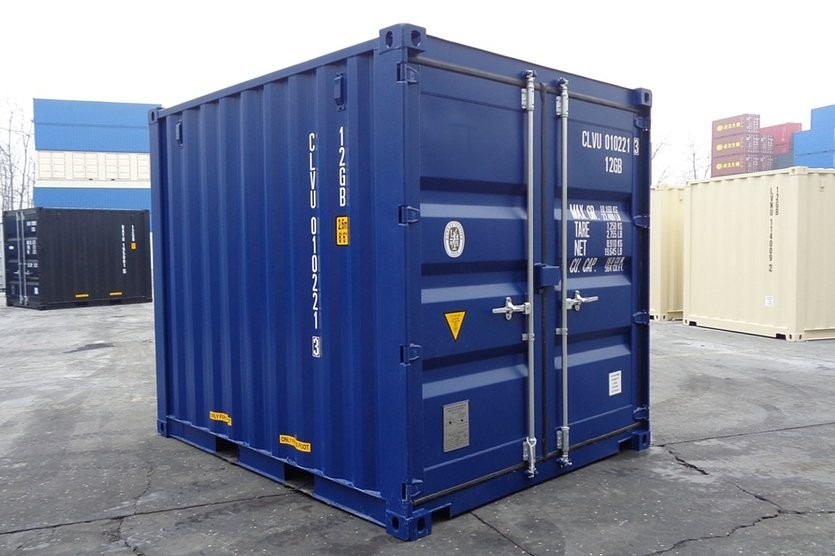
Shipping Container Transport: A Comprehensive Guide
Shipping Container Transport (click through the up coming article) has revolutionized the way products are transported worldwide. It offers an effective, scalable, and protected technique of shipping products across the world. In this article, we will explore numerous facets of shipping container transport, its benefits, obstacles, and how it operates.
The Evolution of Shipping Container Transport
The concept of container shipping started in the early 1950s, when they were first presented as a way to help with more efficient loading and discharging of cargo ships. Before the advent of container shipping, items were packed and unloaded separately, making the process time-consuming and labor-intensive. With the intro of standardized containers, the shipping industry changed, enabling simpler transport by rail, ship, and truck.
Key Milestones
| Year | Turning point |
|---|---|
| 1956 | First container ship, the Ideal X, sets sail |
| 1966 | Very first intermodal freight transport service |
| 1970 | Intro of the Global Container Shipping System |
| 1980s | Standardized container sizes become common |
Understanding Container Types
Shipping containers been available in numerous sizes and shapes, built for various types of cargo. Here's a breakdown of typical container types:

Container Types
| Container Type | Dimensions (ft) | Use Case |
|---|---|---|
| Requirement Container | 20 x 8 x 8.6 | General cargo |
| High Cube Container | 40 x 8 x 9.6 | Bulkier items |
| Refrigerated Container | 20/40 x 8 x 8.6 | Perishable items |
| Flat Rack Container | 20/40 x 8 x 8.6 | Extra-large goods, machinery |
| Open Top Container | 20/40 x 8 x 8.6 | Cargo that requires top access |
The Benefits of Shipping Container Transport
Shipping container transport offers many benefits for logistics and supply chain management. Here are a number of essential advantages:
- Efficiency: Containers can be quickly loaded and unloaded utilizing cranes, lowering turnaround time at ports.
- Security: Containers can be sealed, offering defense against theft and damage.
- Versatility: Containers can hold a variety of products, from electronic devices to disposable food products.
- Intermodalism: Containers can flawlessly move between ships, trains, and trucks, simplifying logistics.
- Cost-Effective: Bulk shipping reduces the per-unit cost of transport, benefiting large-scale carriers.
Shipping Container Stats
| Figure | Value |
|---|---|
| Estimated global container fleet | 25 million TEU (Twenty-foot Equivalent Units) |
| Percentage of global trade by means of containers | 90% |
| Average lifespan of a container | 10-15 years |
The Challenges in Container Transport
Despite its benefits, shipping container transport deals with a number of challenges that can affect efficiency:
- Port Congestion: Delays due to excessive traffic can result in greater costs and delays in deliveries.
- Weather Disruptions: Storms and poor weather can delay shipping schedules.
- Regulatory Compliance: Each nation has distinct import/export regulations, including complexity to logistics.
- Ecological Concerns: The shipping market is under analysis for its ecological effect, motivating a shift towards greener practices.
- Container Shortages: Supply chain disturbances can lead to shortages of readily available containers.
How Shipping Container Transport Works
Understanding the operational process of shipping container transport is essential for organizations associated with logistics. Here's a streamlined summary of the transport process:
Steps in Shipping Container Transport
- Booking: The carrier books area on a shipping line.
- Container Loading: Goods are packed into containers at the storage facility.
- Transport to Port: Containers are transported to the port via truck or rail.
- Customs Clearance: Containers go through customizeds evaluations and paperwork checks.
- Loading onto Vessels: Containers are crammed onto ships bound for their destination.
- Transit: The container is transported throughout oceans or seas to the location port.
- Discharging: Once at the destination port, containers are unloaded and moved to customs for clearance.
- Final Delivery: Containers are transported by means of truck or rail to the final customer area.
Shipping Container Terminology
Understanding common shipping terms can assist in much better communication in worldwide shipping. Here are a couple of necessary terms every carrier need to know:
Essential Terms
| Term | Description |
|---|---|
| TEU | Twenty-foot Equivalent Unit; a basic measurement in shipping. |
| FCL | Full Container Load; shipping where a whole container is used by one shipper. |
| LCL | Less than Container Load; several deliveries in one container by numerous carriers. |
| BOL | Costs of Lading; a legal file between the carrier and carrier. |
| ETA | Estimated Time of Arrival; anticipated arrival time of the shipment. |
FAQ About Shipping Container Transport
What items are forbidden from shipping in containers?
- Prohibited items normally include harmful products, fire arms, and perishable products (in non-refrigerated containers).
For how long does it typically take for a shipping container to reach its destination?
- Transit times can vary substantially based upon distance, shipping route, and port operations, ranging from days to numerous weeks.
Can I track my shipping container?
- Many shipping business offer tracking systems that permit shippers to keep an eye on the status and area of their containers in genuine time.
What should I do if my container is damaged?
- Document the damage, inform your shipping company, and review insurance options based on the terms embeded in the Bill of Lading.
How do I select the ideal shipping container?
- Think about the type and volume of items, dimensions required, and any special conditions (e.g., refrigeration) when picking a container.
Shipping container transport continues to develop with technology and globalization, using unrivaled efficiency for the movement of items worldwide. As industries and economies grow more interconnected, understanding the logistics of container transport ends up being increasingly crucial for businesses aiming to prosper in the global marketplace. Whether you're a new business owner or a recognized enterprise, mastering this crucial aspect of logistics is crucial to staying competitive.
- 이전글รีวิวจอ LED 2x4 เมตร ราคา และความคุ้มค่า 25.12.25
- 다음글Кухни на заказ 25.12.25
댓글목록
등록된 댓글이 없습니다.